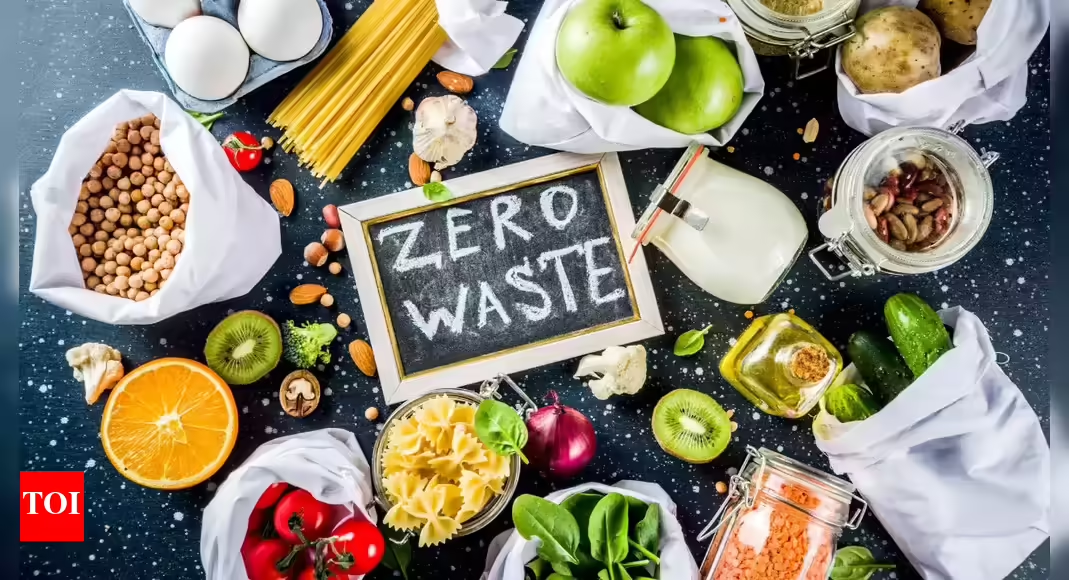
In an era of plastic packaging and lightning-fast food delivery, the modern consumer often feels disconnected from the lifecycle of their meals. However, the blueprint for a sustainable future is hidden in our past. Embracing a zero-waste kitchen isn’t a new-age trend; it is a return to the wisdom of traditional European farming. For centuries, rural households across the continent thrived by ensuring nothing—from vegetable peels to animal fats—went to waste. By adopting these ancestral habits, we can reduce our environmental footprint, save money, and rediscover the profound joy of a resourceful, circular culinary lifestyle.
1. The Philosophy of “Nothing Wasted”
Traditional European farms operated on a closed-loop system. Every byproduct of one process served as the fuel for another. This mindset transforms “trash” into a resource, encouraging us to view every scrap of food as an ingredient with untapped potential.
2. Nose-to-Tail Eating Habits
Old-world farmers respected the animals they raised by utilizing every part. Beyond prime cuts, they used bones for gelatinous broths, organ meats for nutrient-dense pâtés, and fat for rendering lard, ensuring the animal’s life was fully honored through total consumption.
3. Root-to-Stalk Vegetable Prep
In traditional kitchens, a carrot was more than just a root. The green tops were blended into pestos or added to soups, while the peels were saved for the stock pot. This maximizes the nutritional yield and flavor of every harvest.
4. Mastery of the Stock Pot
The “perpetual stew” or daily stock pot was a staple of European farm life. Scrap vegetables, herb stems, and bones were simmered to create a flavorful base. This practice turns inedible trimmings into the foundation of gourmet-quality meals.
5. Preserving the Seasonal Surplus
Canning, pickling, and fermenting were survival skills, not hobbies. By using vinegar, salt, or lactic acid fermentation, farmers preserved the summer harvest for the lean winter months, preventing the spoilage that plagues modern households today.
6. The Art of Stale Bread
In Europe, bread is sacred. Hard crusts were never tossed; they became Italian panzanella salads, French onion soup croutons, or Spanish migas. Transforming stale bread into a new meal is a cornerstone of the zero-waste kitchen.
7. Natural Fat Rendering
Before seed oils dominated, farmers rendered lard or schmaltz. Saving bacon fat or beef drippings provides a free, flavorful cooking medium. This reduces the need for store-bought oils packaged in plastic and adds incredible depth to roasted vegetables.
8. Composting as Soil Nutrition
What couldn’t be eaten went back to the earth. Traditional farms used kitchen scraps to feed pigs or to create rich compost for next year’s crops. This circularity ensures that nutrients are recycled rather than lost in a landfill.
9. Seasonal Eating Patterns
Traditional farming followed the rhythm of the seasons. By eating what is local and in season, you eliminate the massive carbon footprint of long-distance shipping and reduce the waste associated with preserving out-of-season produce.
10. Bulk Storage and Root Cellars
Farmers utilized cool, dark root cellars to store potatoes, apples, and onions for months without electricity. While we may use refrigerators, adopting cool-storage techniques and buying bulk staples reduces the need for excessive individual packaging.
11. Whey: The Liquid Gold
During cheesemaking, the leftover whey was never discarded. It was used to bake bread, soak grains, or feed livestock. This protein-rich liquid is a perfect example of how traditional methods find value in every byproduct.
12. Using Herbs to the End
Dried herb bouquets (bouquet garni) allowed farmers to use woody stems that are usually discarded. Even the stems of parsley or cilantro hold intense flavor and should be simmered in sauces rather than thrown in the bin.
13. The Beauty of One-Pot Cooking
Farming families often cooked over a single heat source. One-pot meals like stews and casseroles are efficient, save energy, and allow for the easy “clean-out-the-fridge” style of cooking that prevents small portions of leftovers from being forgotten.
14. Natural Cleaning Solutions
Zero-waste extends to the cleanup. European traditions often used vinegar, lemon, and wood ash for cleaning. Avoiding harsh chemicals in plastic bottles keeps your kitchen eco-friendly and mimics the self-sufficiency of a traditional farmhouse.
15. Respecting Food Origins
When you grow your own food or buy from a local farmer, you develop a relationship with your ingredients. This emotional connection makes you far less likely to let a single tomato rot or a bunch of herbs wilt.
16. Reusable Packaging Traditions
Long before “zero-waste shops,” people used cloth sacks, ceramic crocks, and glass jars. Returning to these durable materials eliminates the mountain of single-use plastics that modern food systems generate, keeping your pantry organized and sustainable.
17. Regrowing Kitchen Scraps
Many vegetables, such as leeks, green onions, and lettuce, can be regrown from their base in a glass of water. This simple trick, rooted in frugal farming, provides a “forever” supply of fresh garnishes for free.
18. Fermenting for Gut Health
Sauerkraut and kimchi aren’t just delicious; they are ancient methods of waste prevention. Fermentation allows you to save large quantities of cabbage or radishes that might otherwise soften, while simultaneously boosting your digestive health.
19. Using Infused Vinegars
Fruit scraps, like apple cores or berry tops, can be submerged in vinegar to create infused dressings. This traditional method extracts the last bit of sweetness and flavor from parts of the fruit we usually ignore.
20. Mindful Portioning
Traditional meals were often centered around grains and legumes, with meat used sparingly. This practice is naturally lower-waste and more sustainable, as plant-based staples have a longer shelf life and a smaller environmental impact.
SEO Meta Description
Learn how to create a zero-waste kitchen using time-tested lessons from traditional European farming. Discover tips on food preservation, composting, and resourcefulness.
Focus Keywords
- Zero-waste kitchen
- Traditional European farming
- Sustainable cooking tips
- Food preservation methods
- Root-to-stalk cooking
- Eco-friendly kitchen habits
- Circular food economy
FAQ Section
Q: How do I start a zero-waste kitchen if I live in an apartment? A: Start small by regrowing green onions in water, using glass jars for storage, and looking into “Bokashi” composting, which is a fermented, odor-free method perfect for small spaces.
Q: Is nose-to-tail eating safe? A: Yes, when sourced from high-quality, organic, or pasture-raised animals. Organ meats are some of the most nutrient-dense foods available and were staples in historical diets.
Q: Can I really save money with these methods? A: Absolutely. By using scraps for stock, preserving seasonal sales, and reducing your reliance on pre-packaged foods, you can significantly lower your monthly grocery bill.
Internal Linking Suggestions
- The Beginner’s Guide to Home Fermentation: A deep dive into sauerkraut and kombucha.
- How to Build a Modern Root Cellar: Practical tips for food storage in any home.
- 10 Seasonal Recipes for Spring: Celebrating local harvests with minimal waste.
Conclusion
Transitioning to a zero-waste kitchen is a journey of rediscovery. By looking back at traditional European farming, we see that sustainability was once a natural part of daily life. From the art of sourdough to the utility of the stock pot, these lessons teach us to value our food more deeply. Start by making one small change today, and you’ll find that a more resourceful kitchen is not only better for the planet but also more flavorful and fulfilling.