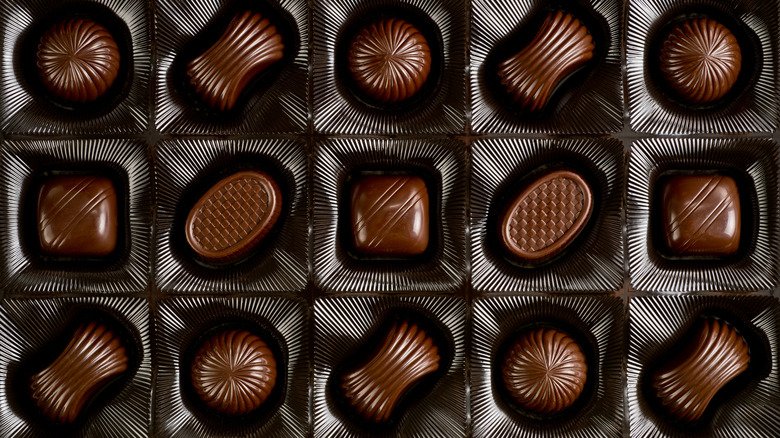
When you unwrapping a bar of premium confectionery, the snap and aroma often tell a story before the first bite. Many chocolate lovers instinctively reach for Swiss brands, but have you ever wondered why Swiss chocolate is actually better than its global counterparts? It isn’t just a matter of prestige or clever branding; there is a rigorous scientific foundation involving milk processing, particle size, and unique emulsification techniques. From the invention of milk chocolate to the precise “conching” process, the Swiss have mastered the chemistry of cocoa to create a texture and flavor profile that remains unrivaled in the culinary world.
1. The Invention of Milk Chocolate
In 1875, Daniel Peter collaborated with Henri Nestlé to create the world’s first milk chocolate. By using condensed milk rather than liquid milk, they solved the issue of mildew and spoilage, creating a stable, creamy product that redefined the global confectionery industry forever.
2. High Milk Content Standards
Swiss regulations mandate a high percentage of milk in their chocolate. Unlike other regions that might use milk powder or fillers, Swiss manufacturers prioritize high-quality alpine milk, which contributes to the signature creamy mouthfeel and a richer, more authentic dairy flavor profile.
3. The Science of Alpine Milk
The cows grazing in the Swiss Alps consume a diverse diet of fresh grass and mountain herbs. This specific diet influences the fatty acid composition of the milk, resulting in a unique flavor that is chemically distinct from milk produced by cows in industrial settings.
4. Pioneering the Conching Process
Rodolphe Lindt invented the conching machine in 1879, which changed chocolate history. By continuously stirring and aerating the chocolate over several days, the process removes acidic flavors and moisture, resulting in a silky-smooth liquid that lacks the grittiness found in early chocolate versions.
5. Particle Size and Palate Perception
Science shows that the human tongue can detect particles larger than 30 microns. Swiss chocolate is ground extensively until the cocoa and sugar particles are consistently below 20 microns, ensuring the brain perceives the texture as perfectly smooth and “melt-in-your-mouth” rather than sandy.
6. The Role of Cocoa Butter
Swiss manufacturers typically use a higher ratio of cocoa butter compared to vegetable fat substitutes. Cocoa butter has a melting point just below human body temperature, which is why Swiss chocolate starts to liquefy the moment it touches your tongue, releasing flavors instantly.
7. Gentle Roasting Techniques
Swiss chocolatiers often employ lower temperatures for roasting cocoa beans. This gentle heat preserves the delicate volatile aromatic compounds within the bean, preventing the “burnt” or overly bitter notes often found in mass-produced chocolates that prioritize speed over flavor depth.
8. Superior Emulsification
The interaction between fats and solids in Swiss chocolate is carefully managed. Through precise temperature control during the mixing phase, the ingredients are bonded perfectly, preventing the separation of fats that can lead to a chalky texture or unappealing white “bloom” on the surface.
9. Sugar Crystallization Control
The crunch or smoothness of chocolate depends on how sugar crystals are handled. Swiss processing ensures that sugar is fully integrated into the fat phase, preventing large crystals from forming. This meticulous control is a key reason why Swiss chocolate is actually better in consistency.
10. Low Acidity Profile
Through extended conching and specific bean selection, Swiss chocolate tends to have a lower acidity level than many artisanal “bean-to-bar” chocolates. This makes the flavor more approachable and “round,” appealing to a wide range of palates without the sharp vinegar-like aftertaste.
11. Ethical Sourcing Standards
Quality starts at the farm. Many Swiss brands invest heavily in direct-trade relationships, ensuring they receive the highest grade of Criollo or Trinitario beans. These beans possess more complex flavor profiles than the common, hardier Forastero beans used in budget-friendly candies.
12. Strict Tempering Mastery
Tempering is the process of heating and cooling chocolate to align the fat crystals. The Swiss use advanced technology to ensure Type V crystal formation, which provides that satisfying “snap” when broken and a glossy, professional finish that resists melting at room temperature.
13. High Cacao Solidarity
Even in their milk chocolate, the Swiss often maintain a higher cacao solid percentage than “candy” bars found elsewhere. This ensures that the chocolate flavor isn’t masked by excessive sugar, providing a balanced experience where the cocoa notes remain the star.
14. Absence of Artificial Fillers
Premium Swiss chocolate avoids the use of PGPR (Polyglycerol polyricinoleate) and other cheap emulsifiers. By sticking to natural lecithin or simply high-quality cocoa butter, the chemical purity of the product remains intact, leading to a cleaner and more honest flavor.
15. The Impact of Alpine Air
While it sounds poetic, the low humidity of the Swiss mountain regions actually aids in the production process. Excess moisture is the enemy of chocolate; the dry alpine environment helps maintain the integrity of the chocolate during the critical cooling and packaging phases.
16. Tradition Meets Modern Innovation
Swiss labs are constantly researching “digital twins” of the chocolate-making process to simulate how molecules interact. This blend of 19th-century tradition and 21st-century food science ensures that every bar meets a standard of perfection that is difficult to replicate.
17. Caramelization During Processing
The long mixing times at specific temperatures cause a slight caramelization of the milk sugars (lactose). This creates a subtle malty, caramel-like undertone that is a hallmark of the Swiss style, adding layers of complexity to a standard milk chocolate bar.
18. Precise Cooling Tunnels
The way chocolate is cooled determines its shelf life and texture. Swiss factories use precision-controlled cooling tunnels that prevent “fat bloom.” This ensures the chocolate remains aesthetically pleasing and structurally sound from the factory to your kitchen.
SEO Meta Description
Discover the chemistry of confectionery! Learn why Swiss chocolate is actually better through the science of alpine milk, conching, and precision tempering techniques.
Focus Keywords
- Swiss chocolate science
- Milk chocolate invention
- Cocoa butter melting point
- Swiss chocolate vs Belgian chocolate
- Conching process explained
- Premium Swiss confectionery
- Chocolate tempering techniques
FAQ Section
Q: Is Swiss chocolate better because of the cows?
A: Partially, yes. The “Alpine milk” used in Switzerland comes from cows with a specific diet, resulting in milk with a different fatty acid profile that enhances the creaminess of the chocolate.
Q: What is conching in chocolate making?
A: Conching is a process of intense mixing and aeration. It was invented in Switzerland and is responsible for removing bitterness and creating the signature smooth texture of the chocolate.
Q: Why does Swiss chocolate melt so easily in the mouth?
A: It contains a high percentage of cocoa butter, which has a melting point of approximately $34^{\circ}C$ ($93^{\circ}F$), which is just below human body temperature.
Internal Linking Suggestions
- The History of Cacao: How the ancient bean became a modern luxury.
- Dark vs. Milk Chocolate: Which one offers more health benefits?
- A Guide to Professional Chocolate Tasting: How to identify flavor notes like a pro.
Conclusion
The global reputation of Switzerland’s confectionery is well-deserved and backed by significant scientific advancement. By prioritizing the physics of particle size, the chemistry of milk stabilization, and the mechanics of the conching process, the Swiss have elevated chocolate from a simple sweet to a complex engineering feat. Understanding why Swiss chocolate is actually better allows you to appreciate the craftsmanship and precision in every bite of that silky, perfectly tempered bar.