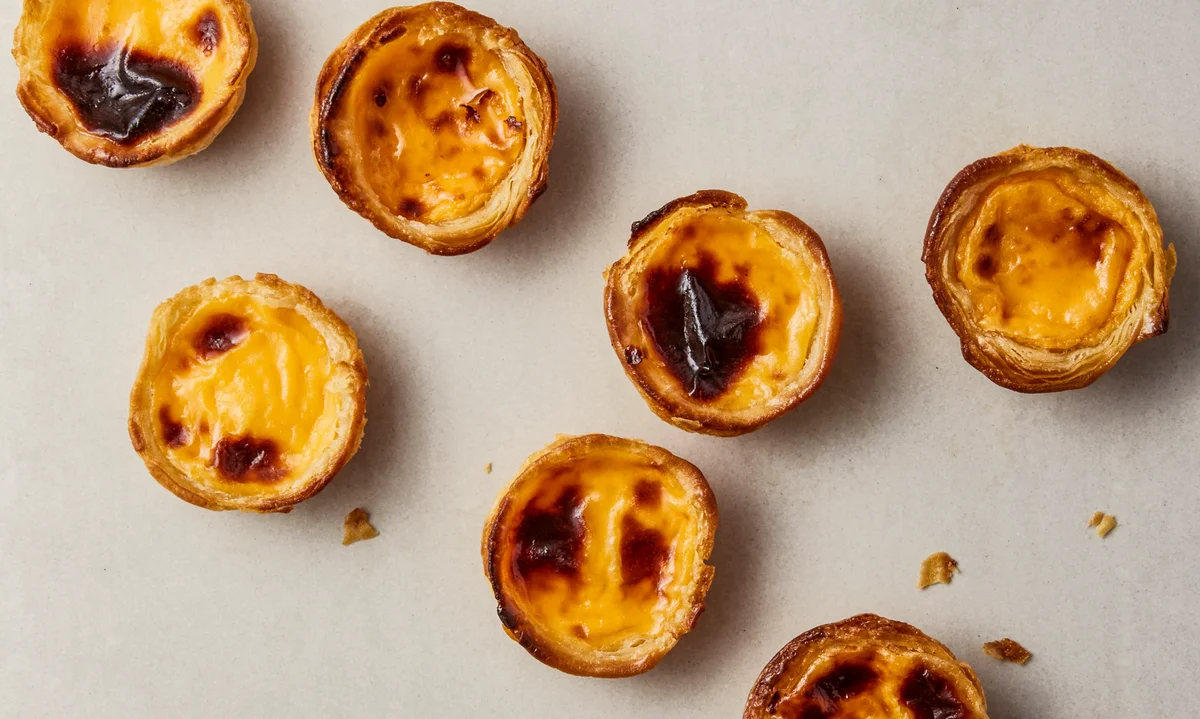
If you think you know Portuguese baking because you’ve had a Pastel de Nata, think again. While the iconic custard tart is undeniably the crown jewel, The Portuguese Pastry Secret lies in a deep-rooted history of conventual sweets and regional specialties. From the almond-scented shores of the Algarve to the honey-drizzled mountains of the north, Portugal offers a diverse landscape of textures and flavors. This guide dives deep into the hidden gems of the Portuguese bakery, revealing why these sugar-dusted, egg-rich creations are considered some of the finest artisanal treats in the culinary world.
1. The Heritage of Conventual Sweets
The backbone of Portuguese baking is doçaria conventual. Historically, nuns and monks used egg whites to starch their habits, leaving a massive surplus of yolks. To avoid waste, they mixed yolks with sugar, creating the rich, golden foundations of almost every classic pastry you see today.
2. The Alchemy of Egg Yolks and Sugar
In Portugal, sugar isn’t just a sweetener; it’s a structural element. By heating sugar to specific temperatures—known as “points”—bakers achieve different textures. Combined with a high volume of yolks, this results in the dense, velvet-like consistency found in treats like Papo de Anjo.
3. Ovos Moles de Aveiro
Hailing from the coastal city of Aveiro, these are thin communion-wafer shells shaped like seashells or fish. They are filled with a creamy, bright orange egg jam. It is one of the first Portuguese sweets to receive a Protected Geographical Indication (PGI) status.
4. Travesseiros de Sintra
Walking through the misty streets of Sintra, the smell of Travesseiros is unavoidable. These “pillows” are made of light, flaky puff pastry filled with a delicate almond and egg cream. They are best enjoyed warm, with a light dusting of fine caster sugar.
5. Queijadas de Sintra
Unlike the airy Travesseiro, the Queijada is a small, firm tart made with fresh cheese (requeijão), sugar, eggs, and a touch of cinnamon. The crust is thin and crunchy, providing a perfect textural contrast to the dense, sweet, and slightly tangy cheese filling.
6. Pão de Ló: The Ultimate Sponge
This isn’t your average sponge cake. The traditional Pão de Ló from Alfeizerão is underbaked on purpose, leaving a gooey, liquid-gold center. When you cut into it, the rich egg batter flows out, making it a favorite for Easter celebrations and family gatherings.
7. Bola de Berlim
Portugal’s take on the doughnut was brought over by Jewish refugees during WWII. Unlike the German original, the Portuguese version is sliced horizontally and stuffed with a thick creme pasteleiro (egg custard). They are a legendary snack sold by vendors on Portuguese beaches.
8. The Secret of Algarve Almonds
In the south, the pastry secret shifts toward the almond. Because the Algarve is famous for its almond trees, sweets like Dom Rodrigo use threads of egg (fios de ovos) wrapped around a core of almond paste and cinnamon, all encased in colorful foil.
9. Broas de Mel
These are small, dark, and spicy cookies often enjoyed during the Christmas season. Made with honey, olive oil, and sometimes sweet potato, they offer a chewy texture and a deep flavor profile that differs significantly from the egg-heavy pastries of the central regions.
10. Toucinho do Céu
The name literally translates to “Bacon from Heaven.” While it sounds savory, it is a rich almond cake made with pork lard, sugar, and many yolks. The lard gives it an incredibly moist, melt-in-your-mouth texture that butter simply cannot replicate.
11. Malasadas: The Fried Delight
Originating from the Azores and Madeira, these are fried dough balls rolled in granulated sugar. They were traditionally made to use up lard and sugar before Lent. They have become so popular they are now a staple in places like Hawaii due to immigration.
12. Pastéis de Tentúgal
These are a masterpiece of patience. The dough is stretched by hand until it is paper-thin—so thin you can read a book through it. It is then folded into dozens of layers around a sweet egg filling, creating a shatteringly crisp exterior.
13. Arroz Doce: Portuguese Rice Pudding
A staple at every family party, this rice pudding is flavored with lemon peel and cinnamon. The secret is the slow cooking process and the addition of raw egg yolks at the very end, which creates a bright yellow, creamy consistency.
14. Tigelada: The Clay Pot Custard
Common in the Ribatejo region, Tigeladas are baked in unglazed clay pots in very hot ovens. This gives them a slightly burnt, caramelized top and a porous, rustic texture. The batter is simple: eggs, milk, sugar, and a hint of lemon.
15. The Role of Cinnamon
If you visit a Portuguese bakery, you will notice cinnamon everywhere. It was introduced during the Age of Discovery and became a fundamental spice. It is almost always offered alongside tarts to cut through the richness of the egg and sugar.
16. Cornucópias de Alcobaça
Inspired by the “horn of plenty,” these cone-shaped pastries are deep-fried until golden and crunchy. They are then filled with a velvety egg custard. They represent the decadence of the Cistercian monks who once inhabited the Monastery of Alcobaça.
17. Bolo Rei: The King Cake
This crown-shaped fruitcake is the center of Portuguese Christmas. It is topped with large pieces of crystallized fruit and nuts. Inside, the dough is enriched with Port wine, giving it a sophisticated aroma that sets it apart from other holiday breads.
18. Guardanapos: The Edible Napkins
Guardanapos are simple but delicious. A square of light, airy sponge cake is spread with egg jam and then folded into a triangle, resembling a folded napkin. They are the perfect light snack to accompany a mid-afternoon café.
19. The Art of Fios de Ovos
These “egg threads” are a decorative and delicious component of Portuguese baking. Sweetened yolks are passed through a fine sieve into boiling sugar syrup, creating thin, golden strands used to garnish cakes or fill complex pastries like Lampreia de Ovos.
20. Seasonal Specialties
Portuguese baking follows the liturgical calendar. Many pastries only appear during specific times, such as Folar bread at Easter or Sonhos (fried “dreams”) at Christmas. This seasonality keeps the tradition alive and ensures every bite feels like a celebration.
SEO Meta Description
Discover the Portuguese pastry secret beyond the custard tart. Explore rich egg-based sweets, almond treats, and regional bakes in this ultimate foodie guide.
Focus Keywords
- Portuguese pastry secret
- Conventual sweets Portugal
- Traditional Portuguese desserts
- Beyond Pastel de Nata
- Portuguese bakery guide
- Sintra pastries
- Egg yolk desserts
FAQ Section
Q: Why are most Portuguese pastries yellow? A: Most traditional pastries use a high concentration of egg yolks, which gives them a natural, vibrant yellow or orange hue.
Q: Are Portuguese pastries very sweet? A: Yes, many are based on “sugar syrup” recipes from the 15th century, making them quite rich and sweet compared to French or Italian pastries.
Q: What is the best drink to pair with these sweets? A: A strong, short espresso (called a bica) is the traditional choice to balance the intense sweetness of the pastries.
Internal Linking Suggestions
- Top 10 Coffee Shops in Lisbon: A guide to finding the best brew to pair with your tarts.
- A Guide to Portuguese Street Food: Exploring savory snacks like Bifanas and Rissóis.
- The History of the Pastel de Nata: A deep dive into the world’s most famous custard tart.
Conclusion
Exploring the Portuguese pastry secret reveals a culinary world far more complex than a single custard tart. From the thin-stretched dough of Tentúgal to the almond-rich cakes of the south, these recipes are a delicious link to Portugal’s monastic and maritime history. Whether you are a fan of flaky crusts or creamy fillings, there is a regional treasure waiting for you. Next time you enter a padaria, look beyond the Nata—you won’t be disappointed.