Europe is a continent defined by its culinary sophistication, but nothing captures the imagination quite like its decadent cocoa creations. For those who crave more than just a sugary snack, exploring Europe’s best rich chocolates is a journey into history, craftsmanship, and intense flavor profiles. From the alpine workshops of Switzerland to the avant-garde boutiques of Paris, dark chocolate represents the pinnacle of confectionery art. This guide dives deep into the bittersweet world of high-percentage cacao, highlighting the heritage brands and artisanal techniques that make European dark chocolate a globally revered indulgence for the true connoisseur.
1. The Mastery of Belgian Couverture
Belgium is legendary for its “couverture” chocolate, which contains a higher percentage of cocoa butter. This results in a silky texture and a superior melt-in-the-mouth experience. Belgian chocolatiers prioritize a fine grind, ensuring that every dark truffle is incredibly smooth and never grainy.
2. Swiss Precision in Dark Blends
While Switzerland is often associated with milk chocolate, its dark varieties are masterclasses in balance. Swiss makers use high-quality alpine milk in small amounts even in darker bars to achieve a “creamy dark” profile that bridges the gap between bitterness and accessibility.
3. The Single-Origin Revolution in France
French chocolatiers are currently obsessed with single-origin beans. By sourcing cacao from specific regions like Madagascar or Ecuador, they highlight unique “terroir” notes—such as red fruit, tobacco, or citrus—that are naturally present within the dark cocoa solids.
4. Italian Gianduja’s Dark Evolution
Hailing from Piedmont, Gianduja traditionally mixes hazelnuts with chocolate. The “dark side” of this treat uses roasted Italian hazelnuts blended with 70% dark chocolate, creating a savory, nutty depth that is far more sophisticated than your average hazelnut spread.
5. Spanish Xocolata’s Spicy Roots
Spain was the gateway for chocolate into Europe. Many Spanish artisans still honor this history by producing thick, stone-ground dark chocolates infused with cinnamon or chili. These bars offer a rustic texture and a warming heat that honors ancient Aztec traditions.
6. The Art of the 70% Cacao Sweet Spot
For many enthusiasts, 70% cacao is the “goldilocks” zone. It provides enough intensity to satisfy dark chocolate cravings while retaining enough sugar to keep the flavor profile approachable. It is the standard for tasting the true character of the bean.
7. Dutch Process vs. Natural Cocoa
The “Dutching” process involves treating cocoa beans with an alkalizing agent to reduce acidity. This results in a darker color and a mellow, earthy flavor. Many of Europe’s best baking chocolates use this method for a deep, midnight-black aesthetic.
8. German Marzipan and Dark Pairings
Germany is famous for Lübeck marzipan, which is frequently enrobed in a thin, crisp shell of bittersweet chocolate. The contrast between the sweet, almond-heavy interior and the snappy, bitter exterior makes for one of Europe’s most iconic flavor pairings.
9. Health Benefits of High-Flavanol Cocoa
Europe’s rich dark chocolates aren’t just tasty; they are packed with antioxidants. High-percentage dark chocolate contains flavanols that support heart health and improve blood flow, making a square of 85% cacao a legitimate “functional” treat.
10. The Importance of “Snap”
A hallmark of high-quality European chocolate is the snap. When you break a bar of tempered dark chocolate, it should make a clean, audible sound. This indicates that the cocoa butter crystals are perfectly formed, ensuring a stable shelf life.
11. Tasting Like a Professional
To truly enjoy rich chocolate, don’t chew immediately. Place a small piece on your tongue and let it melt. This allows the complex volatile compounds to release, helping you identify notes of vanilla, oak, or even jasmine within the cacao.
12. Ethical Sourcing and Fair Trade
Modern European brands are leading the way in “bean-to-bar” ethics. By working directly with farmers in West Africa and South America, these makers ensure that the dark side of dessert doesn’t have a dark side for the environment or workers.
13. High-Percentage Bars (90% and Above)
For the true “dark side” experience, 90% to 100% cacao bars offer an intense, savory experience. These are often described as having “savory” notes, similar to coffee or dry red wine, and are best enjoyed in very small slivers.
14. Sea Salt and Dark Chocolate
One of Europe’s favorite modern pairings is dark chocolate with Fleur de Sel. The salt acts as a flavor enhancer, cutting through the bitterness of the cacao and making the fruity notes of the bean pop on the palate.
15. Chocolate Houses of Vienna
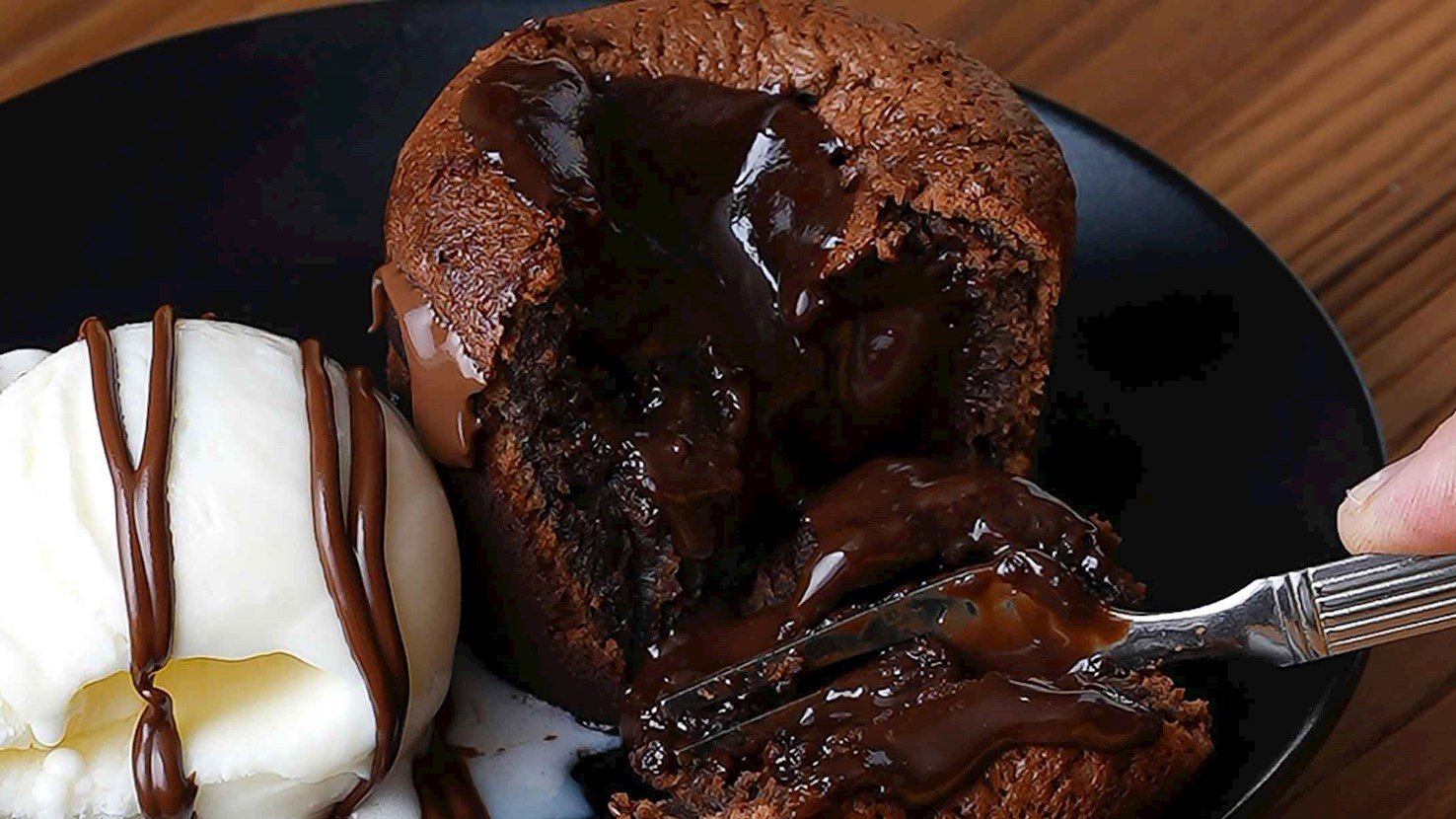
Vienna’s Sachertorte is the ultimate dark chocolate cake. The city’s coffee house culture celebrates dense, dark chocolate glazes paired with apricot jam, proving that “rich” isn’t just about the cacao percentage, but the depth of the dessert.
16. The Role of Cocoa Butter
Richness in chocolate comes from cocoa butter, not just cocoa solids. Premium European bars do not swap cocoa butter for vegetable oils. This purity ensures a clean finish on the palate without any waxy residue left behind.
17. Pairing Dark Chocolate with Wine
Rich dark chocolate pairs beautifully with fortified wines like Port or bold reds like Syrah. The tannins in the wine complement the bitterness of the chocolate, creating a luxurious tasting experience often found in European tasting rooms.
18. British Craft Chocolate Scene
London has seen a surge in micro-batch chocolate makers who focus on “unroasted” or raw cacao. These bars preserve more of the natural enzymes and offer a bright, acidic profile that differs significantly from traditional roasted bars.
19. Storing Your Dark Treasures
Never store your rich European chocolates in the fridge! Moisture can cause “sugar bloom,” where the sugar rises to the surface. Instead, keep them in a cool, dark cupboard at around 18°C to maintain their glossy finish.
20. The Future of Sustainable Cacao
European researchers are currently working on climate-resilient cacao strains. This ensures that the tradition of rich dark chocolate can continue even as global temperatures rise, protecting the future of our favorite bittersweet indulgence for generations to come.
SEO Meta Description
Explore Europe’s best rich chocolates in this guide to dark dessert mastery. Discover artisanal Belgian truffles, French single-origin bars, and Swiss cacao secrets.
Focus Keywords
- Europe’s best rich chocolates
- Dark chocolate benefits
- Artisanal European chocolate
- High-percentage cacao bars
- Belgian dark chocolate
- Bean-to-bar chocolate Europe
FAQ Section
Q: What is the healthiest percentage of dark chocolate? A: Most nutritionists recommend 70% cacao or higher to reap the antioxidant benefits while keeping sugar intake relatively low.
Q: Why is European chocolate considered better than American? A: European chocolate typically has a higher cocoa butter content and stricter regulations regarding fat substitutes, resulting in a smoother texture and richer flavor.
Q: Does dark chocolate contain caffeine? A: Yes, dark chocolate naturally contains caffeine. The higher the cocoa percentage, the higher the caffeine content, though it is still much lower than a cup of coffee.
Internal Linking Suggestions
- The Beginner’s Guide to Chocolate Tempering at Home
- Top 10 Pastry Shops in Paris Every Foodie Must Visit
- Understanding the Difference: Cacao vs. Cocoa Explained
Conclusion
Exploring the world of Europe’s best rich chocolates reveals a deep respect for tradition and a relentless pursuit of quality. Whether you prefer the spicy notes of Spanish bars or the silky smoothness of Belgian couverture, dark chocolate offers a complex sensory experience that goes far beyond a simple sugar rush. By choosing high-percentage, ethically sourced cacao, you can enjoy a sophisticated dessert that is as healthy as it is indulgent.