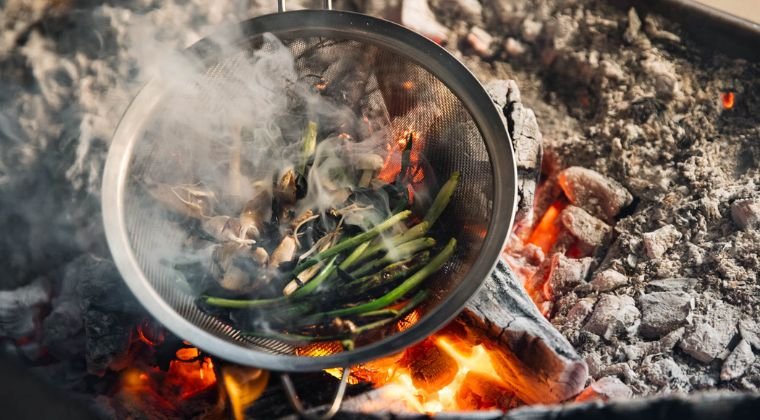
Scandinavian cuisine is far more than just modern plating and Michelin stars; it is a culinary tradition forged by the elements. At its heart, Scandinavian food is a story of survival against the harsh Northern winters, where the mastery of smoke and salt transformed perishable ingredients into year-long sustenance. From the fjords of Norway to the forests of Sweden, these ancient preservation techniques have evolved into a sophisticated flavor profile. Today, the smoky depth and briny tang of Nordic cooking offer a unique sensory journey that celebrates heritage, patience, and the raw beauty of the North.
1. The Heritage of Preservation
Before refrigeration, Scandinavians relied on salt and smoke to survive the lean months. These methods weren’t just about safety; they created a distinct “Nordic” palate. This historical necessity laid the foundation for every iconic dish we recognize today in Northern European kitchens.
2. The Science of Curing
Salt acts as a powerful dehydrator, drawing moisture out of fish and meat to prevent spoilage. This process, known as curing, intensifies the natural sugars and proteins within the food, resulting in a firm texture and a deeply concentrated, savory flavor profile.
3. Cold Smoking vs. Hot Smoking
Scandinavian chefs distinguish between cold smoking for texture and hot smoking for cooking. Cold smoking infuses delicate items like salmon with a subtle woody aroma without changing the raw silkiness of the flesh, while hot smoking provides a flaky, charred finish.
4. Gravlax: The Art of Buried Salmon
Traditional Gravlax literally means “grave salmon,” referring to the medieval practice of burying salted fish in the sand. Modern versions use a mix of salt, sugar, and heaps of fresh dill to create a delicate, buttery delicacy that defines the Swedish smörgåsbord.
5. Wood Matters: Alder and Juniper
The choice of wood is crucial for authentic flavor. Alder is the gold standard for smoking fish due to its mild, sweet smoke. Juniper branches are often added to the fire to provide a resinous, gin-like aromatic quality to smoked meats.
6. The Rise of Smalahove
In Western Norway, salted and smoked sheep’s head, or Smalahove, is a testament to the “nose-to-tail” philosophy. It showcases how salt and smoke can turn less desirable cuts into a prized seasonal feast, highlighting the resourcefulness of the Viking ancestors.
7. Icelandic Hákarl and Salted Shark
Iceland’s culinary identity is tied to the preservation of Greenland shark. By fermenting and then drying the meat with salt, Icelanders created a shelf-stable protein source that could withstand the most brutal North Atlantic winters, creating an unmistakable, pungent flavor.
8. The Importance of Sea Salt
History shows that salt was once a form of “white gold” in the North. High-quality sea salt harvested from the freezing Atlantic waters provides a clean, sharp salinity that enhances the natural sweetness of cold-water shellfish and root vegetables.
9. Røkt Laks: The Norwegian Gold
Norwegian smoked salmon, or Røkt Laks, is globally famous for a reason. The combination of fatty Atlantic salmon and precise smoking times creates a melt-in-the-mouth experience that serves as the benchmark for quality in the international seafood market.
10. Forest Foraging and Smoke
The Nordic pantry extends to the forest. Smoked salt is often infused with foraged herbs or pine needles, bringing the scent of the Scandinavian woods directly to the plate. This connection to the land is a pillar of New Nordic Cuisine.
11. Pickling as a Salty Companion
While smoke and salt are primary, vinegar pickling provides the acidic balance needed to cut through fatty, smoked proteins. Salted herrings pickled with onions and peppercorns are a staple breakfast item that provides a refreshing, sharp contrast.
12. Preservation in Modern Fine Dining
Top restaurants like Noma have revitalized ancient smoking techniques. They use “smoke” as a seasoning rather than just a preservation tool, applying it to oils, creams, and even desserts to add a nostalgic, campfire-inspired depth to dishes.
13. Hardwood Smoked Venison
Reindeer and elk are central to the Nordic diet. Smoking these lean meats prevents them from becoming tough during storage. The result is a tender, earthy jerky or roast that carries the essence of the Arctic wilderness.
14. The Role of the Smokehouse
In rural Scandinavia, the “stabbur” or smokehouse remains a symbol of self-sufficiency. These small wooden structures are where families gather to prepare their winter stores, passing down specific smoking recipes and wood-blending secrets through generations.
15. Salt-Crusted Baking Techniques
Scandinavian baking often incorporates salt in unexpected ways. From salted licorice (Salmiakki) to salt-crust roasted root vegetables, the mineral is used to pull out the hidden sweetness in ingredients, creating a complex, bittersweet profile that locals adore.
16. Balancing the “Fire” of Smoke
The “fire” in Nordic food isn’t about chili heat; it’s about the warmth of the smoke. Chefs balance this intensity by using fermented dairy, like skyr or smetana, to provide a cool, creamy counterpoint to the heavy, smoked elements.
17. Sustainability and Salt
Using salt and smoke is inherently sustainable. By extending the shelf life of seasonal gluts—like the spring herring run—Scandinavians minimize food waste and ensure that nothing from the sea or forest is ever squandered.
18. DIY Nordic Smoking at Home
You don’t need a traditional smokehouse to enjoy these flavors. Home cooks can use stovetop smokers or even a simple cast-iron pan with wood chips to give salmon or potatoes a hint of that authentic Scandinavian charred aroma.
19. The Social Aspect of the Smörgåsbord
The smörgåsbord is a communal celebration of preserved foods. Large platters of smoked eel, salted ham, and brined vegetables encourage sharing and conversation, proving that these ancient survival foods are now at the heart of Nordic hospitality.
20. Salt-Cured Cod: Klippfisk
Klippfisk is cod that has been salted and dried on rocks. This method was so effective that it fueled a massive export trade to Southern Europe. It remains a staple, requiring a long soak before cooking to achieve its unique texture.
SEO Meta Description
Discover how smoke and salt define Scandinavian food. Explore the ancient techniques of Nordic preservation, from smoked salmon to salt-cured meats and traditional flavors.
Focus Keywords
- Scandinavian food
- Nordic cuisine
- Smoked salmon techniques
- Salt-curing meat
- Nordic preservation methods
- Traditional Swedish food
- Norwegian seafood
FAQ Section
Q: Why is smoke so important in Nordic cooking? A: Smoke was originally used to preserve food for winter. Today, it is used as a primary flavoring agent to add depth, warmth, and a connection to the natural landscape of the North.
Q: Is salt-cured fish safe to eat raw? A: Yes, the salt-curing process (as seen in Gravlax) effectively kills bacteria and cures the fish, making it safe and delicious to eat without traditional heat-based cooking.
Q: What is the best wood for smoking Scandinavian dishes? A: Alder wood is the most traditional choice, offering a light, slightly sweet smoke that doesn’t overpower the delicate flavors of fish and poultry.
Internal Linking Suggestions
- The Ultimate Guide to Pickling Like a Pro: A deep dive into the acidic side of Nordic preservation.
- Top 10 Ingredients in the New Nordic Pantry: Exploring the berries, grains, and fats of Scandinavia.
- A History of the Smörgåsbord: Understanding the cultural significance of the Swedish feast.
Conclusion
The enduring legacy of Scandinavian food lies in its ability to turn the constraints of nature into a culinary triumph. By mastering the alchemy of smoke and salt, the Nordic people created a flavor profile that is both rugged and refined. Whether you are enjoying a simple slice of smoked salmon or a complex fermented dish, you are tasting a thousand years of history. Embrace these traditional techniques to bring a touch of Nordic fire to your own kitchen.