The culinary landscape is shifting as a vibrant wave of small-plate dining sweeps through modern cities, creating a global tapas revolution. This isn’t just about food; it’s about a lifestyle that prioritizes social connection over formal dining. From the traditional taverns of Andalusia to the neon-lit gastropubs of New York and Tokyo, tapas have evolved into a sophisticated art form. In this article, we explore how these small Spanish bites are redefining the way we eat, blending centuries-old traditions with contemporary flair to create an unforgettable, communal dining experience for the modern palate.
1. The Origin of the Tapa
Traditionally, a “tapa” was a slice of bread or meat used to cover (tapar) a drink to keep out flies. This humble beginning in Spanish taverns laid the groundwork for what would eventually become a worldwide culinary phenomenon and social movement.
2. Social Connection Through Small Plates
The core of the tapas revolution is conviviality. Unlike traditional three-course meals that can feel rigid, sharing small plates encourages conversation and movement. It turns a simple dinner into a dynamic social event where the food is the ultimate icebreaker.
3. The Move Toward Variety
Modern diners crave diversity. Tapas allow you to sample five or six different flavor profiles in a single sitting. Instead of committing to one heavy entree, you can explore seafood, cured meats, and seasonal vegetables all in one meal.
4. Patatas Bravas: The Golden Standard
No tapas crawl is complete without Patatas Bravas. These crispy, cubed potatoes topped with spicy tomato sauce and garlic aioli are a textural masterpiece. They represent the perfect balance of comfort food and bold, Mediterranean spices.
5. Gambas al Ajillo: Sizzling Simplicity
Shrimp sautéed in high-quality olive oil, garlic, and chili flakes epitomize the Spanish philosophy of letting fresh ingredients shine. The sizzling sound as the dish hits the table adds a sensory layer to the neon-lit dining experience.
6. The Rise of Gourmet Canned Goods
Known as conservas, high-end tinned seafood is a staple of the modern tapas bar. From razor clams to smoked mussels, these aren’t your average pantry staples; they are premium delicacies prized for their intense, preserved flavors.
7. Jamón Ibérico: The Crown Jewel
This acorn-fed cured ham is a testament to Spanish patience and craftsmanship. Thinly sliced and served at room temperature, its nutty fat melts on the tongue, providing a luxury experience that anchors any tapas spread.
8. Tapas as a Late-Night Culture
The “Neon Nights” aspect refers to the shift toward late-night dining. Tapas bars stay open long after traditional kitchens close, catering to a crowd that views eating as an ongoing activity rather than a scheduled chore.
9. Global Fusion Influences
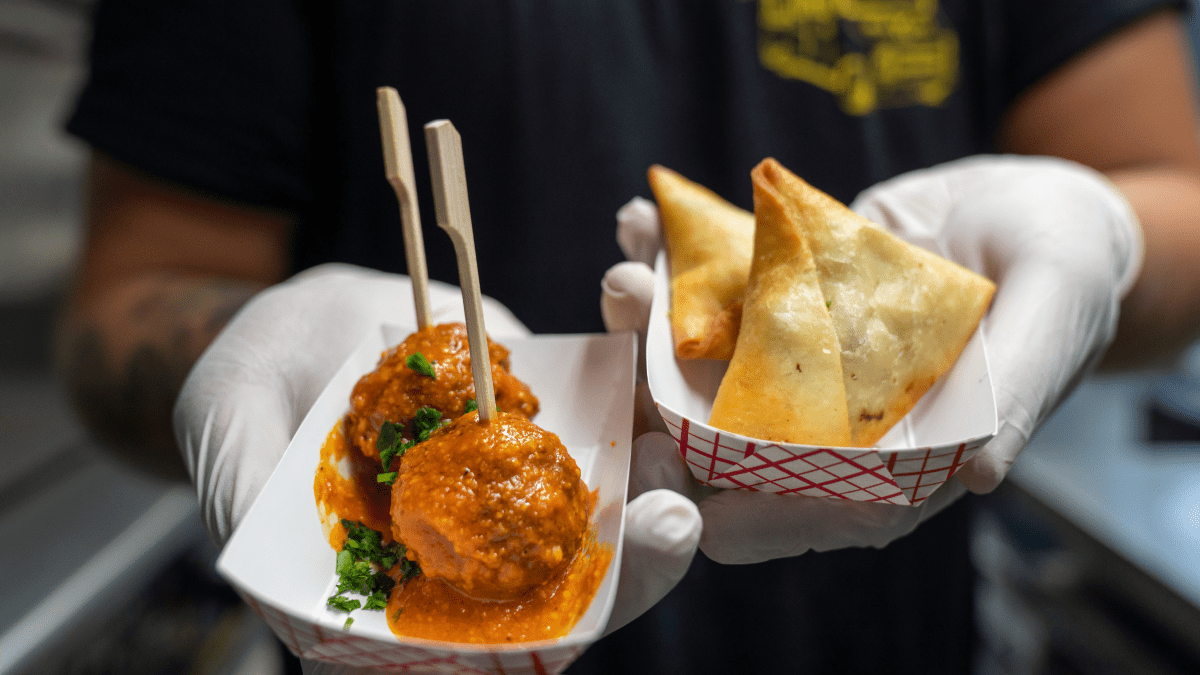
The revolution has seen tapas merge with other cultures. You’ll now find Korean-inspired bao tapas or Mexican-infused croquetas, proving that the small-plate format is the perfect canvas for culinary experimentation and global storytelling.
10. The Importance of Sherry Pairings
Sherry is the traditional soulmate of tapas. From bone-dry Manzanilla to nutty Amontillado, these fortified wines cleanse the palate and enhance the saltiness of cured meats and olives, elevating the entire tasting experience.
11. Sustainability and Zero Waste
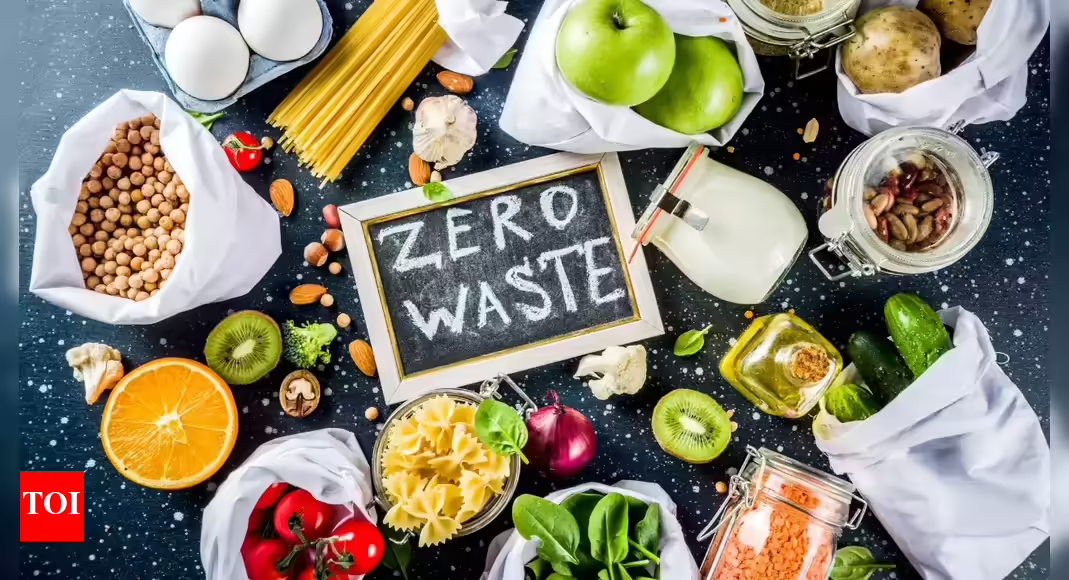
Small plates naturally lend themselves to better portion control. By serving smaller amounts, restaurants can reduce food waste while allowing chefs to utilize every part of an ingredient across various creative dishes throughout the night.
12. The Visual Appeal for Social Media
In the age of Instagram, tapas are king. A table filled with colorful, diverse dishes is inherently photogenic. The “flat lay” of a tapas spread has helped propel the trend across digital platforms globally.
13. High-Quality Olive Oil is Non-Negotiable
Every Spanish bite relies on liquid gold. Authentic tapas bars prioritize extra virgin olive oil, using it not just for cooking, but as a finishing touch that adds fruitiness and depth to bread and vegetables.
14. Tortilla Española: A Texture Lesson
The Spanish omelet, made simply with eggs, potatoes, and onions, is a masterclass in texture. Whether served firm or slightly runny in the center, it remains one of the most comforting and iconic tapas worldwide.
15. The Concept of “Ir de Tapas”
In Spain, you don’t just “eat” tapas; you “go” tapas. This involves hopping from one bar to another, trying the house specialty at each. This movement keeps the energy high and the palate constantly curious.
16. Vegetarian and Vegan Adaptations
The revolution has made tapas more inclusive. Traditional dishes like Padrón peppers (charred with sea salt) or chickpeas with spinach are naturally plant-based, making small-plate dining an easy win for those with dietary preferences.
17. Craft Beer and Modern Tapas
While wine is traditional, the craft beer movement has embraced tapas. The carbonation and hop bitterness of an IPA provide a refreshing contrast to fried calamari or rich, fatty chorizo dishes.
18. The Role of the Open Kitchen
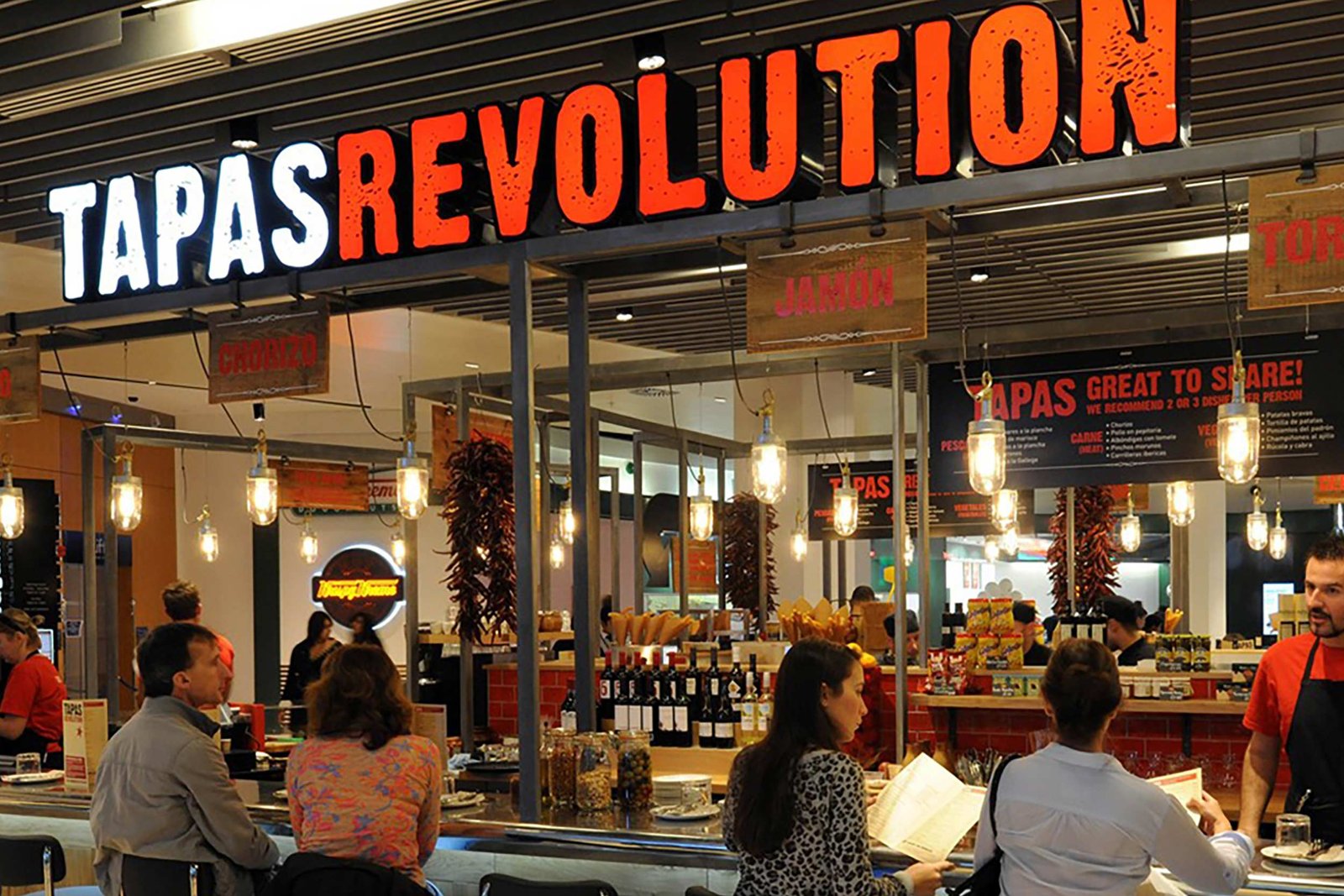
Many modern tapas bars feature open kitchens or counter seating. Watching chefs assemble intricate bites adds an element of theater to the night, bridging the gap between the creator and the consumer.
19. Anchovies: The Umami Bomb
Whether salt-cured or pickled in vinegar (Boquerones), anchovies provide the hit of umami that makes Spanish bites addictive. They are often paired with olives or chips for a simple yet profound flavor punch.
20. Seasonal Sensibilities
The best tapas menus change with the calendar. Asparagus in the spring, mushrooms in the fall, and citrus-infused seafood in the summer ensure that the “revolution” stays fresh and respects the natural harvest.
21. Affordability and Accessibility
Tapas democratize fine dining. You can enjoy high-quality ingredients and chef-driven techniques at a fraction of the cost of a full tasting menu, making “Neon Nights” accessible to a younger, food-conscious demographic.
SEO Meta Description: Discover the tapas revolution! Explore how small Spanish bites and vibrant neon nights are transforming the global dining scene through social, flavor-packed experiences.
Focus Keywords:
- Tapas revolution
- Spanish small plates
- Modern tapas bar
- Communal dining trends
- Authentic Spanish snacks
- Late-night food culture
- Gourmet tapas recipes
FAQ Section
Q: What exactly defines a dish as a “tapa”? A: A tapa is essentially any small portion of food served to accompany a drink. While they vary from simple olives to complex stews, the defining factor is the portion size and its role in a social setting.
Q: Is “tapas” the same as “mezze”? A: While both involve small sharing plates, tapas are specifically Spanish in origin. Mezze refers to a similar style of dining found in Mediterranean and Middle Eastern cuisines, often featuring dips like hummus.
Q: How many tapas should I order per person? A: Generally, 2–3 tapas per person is a good starting point for a light meal. For a full dinner, aiming for 4–5 plates per person allows for a diverse and filling experience.
Internal Linking Suggestions:
- The Ultimate Guide to Spanish Wine Regions
- Top 10 Late-Night Gastropubs in Madrid
- How to Host a DIY Tapas Night at Home
Conclusion
The tapas revolution has successfully transformed dining from a solitary, structured event into a lively, shared adventure. By focusing on high-quality ingredients, bold flavors, and a social atmosphere, these Spanish bites have captured the hearts of foodies worldwide. Whether you are enjoying a classic tortilla or a modern fusion dish, the spirit of tapas reminds us that food is best enjoyed together.