In a world of overcomplicated recipes and endless gadgetry, the European philosophy of minimalist cooking offers a refreshing return to basics. This approach isn’t about restriction; it’s about the art of selection. By focusing on high-quality ingredients and precise techniques, European culinary traditions prove that you don’t need a twenty-item grocery list to create a masterpiece. Whether it’s a three-ingredient Italian pasta or a simple French omelet, minimalist cooking prioritizes flavor over flash. Understanding this “less is more” mindset allows home cooks to reduce stress in the kitchen while elevating the natural essence of every dish they serve.
1. Quality Over Quantity
The foundation of the minimalist kitchen is the belief that a single, peak-season tomato is superior to a dozen flavorless ones. When you use fewer ingredients, each one must be exceptional. This shift in focus encourages sourcing local, organic, and artisanal products that carry their own weight.
2. The Power of Seasonal Eating
European cooking is deeply rooted in the seasons. Minimalist chefs wait for ingredients to reach their natural peak because they require less manipulation. A summer peach at its height needs no added sugar or complex spices—the season has already done the heavy lifting for you.
3. Mastering Heat Control
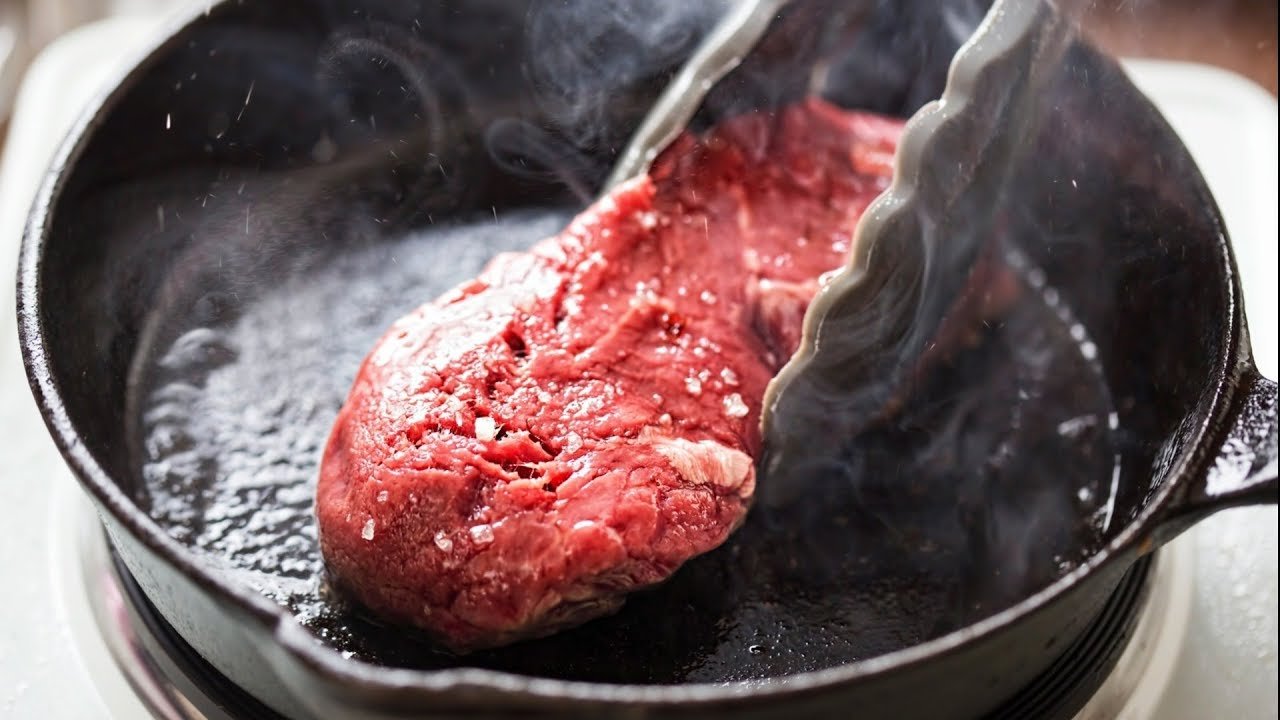
Minimalism requires technical proficiency. Understanding how to manage a flame allows you to achieve the perfect sear or a delicate simmer without needing chemical additives. Mastering temperature is the “invisible ingredient” that transforms a simple piece of protein into a gourmet meal through the Maillard reaction.
4. The Role of High-Quality Fats
In minimalist cooking, fat is a primary flavoring agent rather than just a lubricant. Whether it is a rich, grass-fed butter or a peppery cold-pressed olive oil, using the right fat can provide a luxurious mouthfeel and depth that eliminates the need for complex sauces.
5. Embracing “Cucina Povera”
This Italian concept, meaning “poor cooking,” is the heart of minimalism. It teaches us how to create incredible depth from humble staples like beans, bread, and greens. It’s about being resourceful and respecting every crumb, turning simple pantry items into soul-warming, nutritious feasts.
6. Minimalist Knife Skills
Instead of buying specialized slicers and dicers, the European philosophy emphasizes mastering a single chef’s knife. Precise cutting ensures even cooking and better texture. When ingredients are sliced beautifully, they require less garnishing because the natural geometry of the food provides the visual appeal.
7. The Beauty of One-Pot Meals
European classics like Coq au Vin or Spanish Paella demonstrate that complexity can emerge from a single vessel. By layering flavors and allowing them to meld over time, you create a sophisticated profile while minimizing cleanup and kitchen chaos—a hallmark of the minimalist lifestyle.
8. Let the Main Ingredient Shine
A common mistake in modern cooking is “over-dressing” the plate. Minimalism suggests that if you are cooking sea bass, the goal should be to taste sea bass. Use herbs, salt, and acid only to amplify that central flavor, never to mask it under layers of heavy cream.
9. The Importance of Rest
Minimalist cooking values patience. Letting meat rest after cooking or allowing dough to ferment naturally improves flavor without adding extra ingredients. These “passive” steps are essential for achieving professional results while keeping the actual recipe steps to a bare minimum.
10. Functional Kitchen Tools
The minimalist philosophy extends to the “batterie de cuisine.” You don’t need a cluttered drawer of gadgets. A heavy cast-iron skillet, a stainless steel pot, and a wooden spoon are often all that’s required to execute 90% of the world’s greatest European recipes.
11. Reducing Food Waste
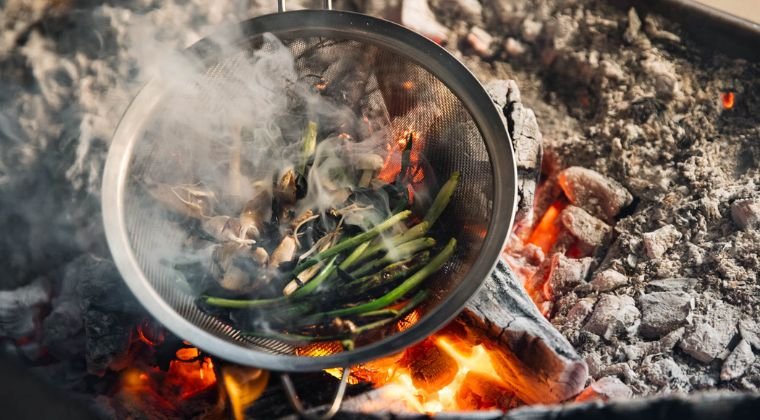
When you value every ingredient, you naturally waste less. Minimalist cooking teaches you to use leek tops for stock or stale bread for Panzanella. This sustainable approach is not only economical but also forces creativity, leading to some of the most flavorful traditional dishes.
12. Using Acid to Balance
Instead of reaching for salt or sugar, European cooks often use a squeeze of lemon or a splash of vinegar to “wake up” a dish. This minimalist trick brightens flavors and cuts through richness, providing a clean finish that makes the meal feel lighter and more refined.
13. The Art of the Garnish
In a minimalist kitchen, the garnish is never just for show; it must be edible and functional. A sprig of fresh parsley or a shaving of hard cheese should add a specific flavor note or texture that completes the dish’s sensory profile.
14. Salt as a Tool, Not a Crutch
Minimalism treats salt as a functional tool to draw out moisture and enhance cell structure. By salting at different stages of the cooking process, you build a foundation of flavor that requires fewer supplemental spices later on, keeping the palate clean and focused.
15. Mindful Preparation
Cooking with fewer ingredients requires more focus. The minimalist approach encourages “mise en place”—having everything ready before you start. This intentionality reduces stress and ensures that you are present for the sensory experience of cooking, from the aroma to the sizzle.
SEO Meta Description
Discover the European philosophy of minimalist cooking. Learn how to master the “less is more” approach with high-quality ingredients and simple, elegant techniques.
Focus Keywords
- Minimalist cooking
- European culinary philosophy
- Simple ingredients
- Quality over quantity
- Sustainable cooking tips
FAQ Section
Q: Can minimalist cooking still be flavorful? A: Absolutely. By using high-quality fats, fresh herbs, and proper seasoning, you highlight the natural intensity of the food rather than hiding it behind salt and sugar.
Q: Is minimalist cooking more expensive? A: While individual high-quality ingredients might cost more, you save money by buying fewer items and reducing food waste through more intentional meal planning.
Q: What is the most important tool for a minimalist cook? A: A high-quality chef’s knife. It replaces almost every specialized chopping gadget and allows for the precision needed to make simple ingredients look and cook better.
Internal Linking Suggestions
- The 5 Essential Spices Every Minimalist Kitchen Needs
- How to Source the Best Seasonal Produce at Your Local Market
- A Guide to “Cucina Povera”: Italian Recipes for a Budget
Conclusion
Embracing the European philosophy of “less is more” transforms cooking from a chore into a mindful craft. By prioritizing ingredient integrity and mastering fundamental techniques, you can create world-class meals with a fraction of the clutter. Minimalist cooking isn’t just a kitchen trend; it’s a sustainable, rewarding way of life that celebrates the true essence of food. Start small, buy the best you can afford, and let the natural flavors speak for themselves.