There is an unmistakable magic that happens when milk, salt, and time meet the steady hands of a master cheesemaker. In the rolling pastures of Normandy and the rugged peaks of the Alps, a quiet revolution is taking place. The rise of handmade cheese in France marks a return to tradition, where “artisan soul” isn’t just a marketing slogan—it is a way of life. Consumers are moving away from sterile, factory-made blocks toward raw-milk wheels that tell a story of the soil. This resurgence celebrates the deep connection between the land and the plate.
1. The Essence of Terroir
The concept of terroir is central to the rise of handmade cheese in France. It represents the unique environmental factors—soil, climate, and grass—that influence the flavor of the milk. Artisan makers prioritize these natural nuances over industrial consistency.
2. The Power of Raw Milk
Unlike mass-produced versions, handmade French cheese often uses lait cru (raw milk). This preserves natural enzymes and beneficial bacteria, resulting in a more complex flavor profile and a texture that evolves beautifully as the cheese ages.
3. Small-Batch Production Benefits
Artisan cheesemakers work in small batches, allowing for meticulous quality control. This hands-on approach ensures that every wheel of Brie or Comté is inspected, turned, and salted by a human who understands the specific needs of that batch.
4. Preserving Ancient Traditions
Many handmade cheeses rely on techniques passed down through generations. By supporting these makers, we help preserve cultural heritage and traditional skills that were nearly lost during the industrialization of the mid-20th century.
5. The Role of the Affineur
The affineur is a master of aging. These specialists take young cheeses and nurture them in temperature-controlled cellars. Their expertise in humidity and timing is crucial to the rise of handmade cheese in France’s premium markets.
6. Seasonal Flavor Variations
Handmade cheese reflects the seasons. A summer Gruyère might taste of alpine flowers and fresh clover, while a winter batch is often nuttier and more concentrated. This seasonality provides an exciting, ever-changing experience for the true foodie.
7. Support for Local Farmers
Choosing artisan products directly supports small-scale French dairy farmers. These farmers often raise specific heritage breeds of cows, goats, or sheep, ensuring genetic diversity and a more sustainable agricultural model than large-scale industrial dairy operations.
8. Better Animal Welfare
Artisan producers generally prioritize the health of their herds. Cows that graze on open pastures produce higher-quality milk. This focus on animal welfare is a significant driver for modern consumers who care about the ethics of their food.
9. Environmental Sustainability
Small-scale cheese production typically has a lower carbon footprint than industrial factories. By utilizing local resources and avoiding long-distance shipping of raw materials, handmade cheese producers contribute to a more sustainable and localized food system.
10. Understanding the AOC Label
The Appellation d’Origine Contrôlée (AOC) is a French certification that guarantees a cheese’s origin and production method. This label has been instrumental in the rise of handmade cheese in France by protecting traditional names from imitation.
11. The Complexity of Rinds
Handmade cheeses often feature natural, “bloomy,” or washed rinds. These rinds are developed through specific molds or salt-water washes, adding layers of earthy, mushroomy, or pungent flavors that industrial cheeses simply cannot replicate.
12. Health Benefits of Natural Fermentation
Artisanal cheeses are rich in probiotics due to natural fermentation processes. Because they aren’t overly processed or filled with preservatives, they are often easier to digest and provide a wealth of natural nutrients and healthy fats.
13. The Art of the Cheese Board
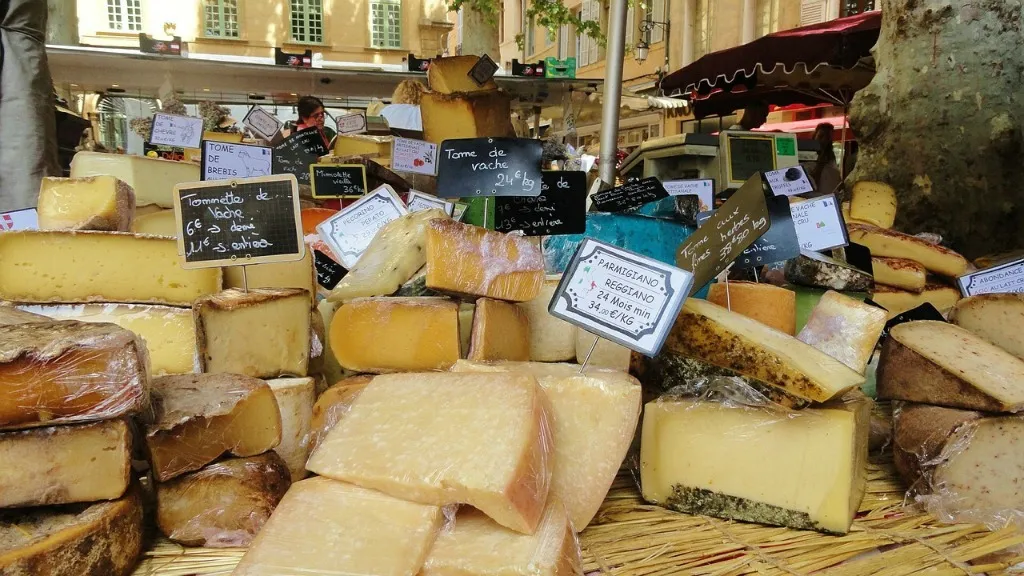
A French cheese board is incomplete without an artisan centerpiece. Creating a spread with various textures—from creamy Camembert to hard Mimolette—showcases the incredible diversity that handmade production offers to the modern culinary world.
14. Pairings with French Wines
Handmade cheeses are designed to be enjoyed with wine. The acidity of a Sancerre cuts through the creaminess of a goat cheese, while a bold Bordeaux complements a sharp Roquefort. These pairings elevate the dining experience significantly.
15. The Rise of Urban Fromageries
You no longer have to visit a farm to find these treasures. Specialized cheese shops, or fromageries, are popping up in cities like Paris and Lyon, bringing the artisan soul of the countryside to urban dwellers.
16. Educating the Modern Palate
As people become more interested in “slow food,” their palates are becoming more refined. The rise of handmade cheese in France is fueled by a desire to understand the “why” and “how” behind the flavors we consume.
17. Economic Growth in Rural Areas
The demand for artisanal products has revitalized many rural French villages. Cheesemaking provides stable jobs and encourages younger generations to stay in their ancestral homes rather than moving to crowded, expensive cities.
18. Artisanal Innovation
While traditional, many makers are also innovating. New hybrids, such as ash-coated goat cheeses or herb-rubbed rinds, show that the rise of handmade cheese in France is not just about the past—it’s about a creative future.
19. Gift-Giving and Luxury
High-quality handmade cheese is increasingly seen as a luxury item. Gifting a perfectly aged wheel of Epoisses or a rare blue cheese is a sophisticated gesture that celebrates craftsmanship and the finer things in life.
20. The Sensory Experience
Eating handmade cheese is a full sensory experience. From the distinct aroma of the cellar to the unique texture on the tongue, these cheeses engage the senses in a way that processed food never can.
SEO Meta Description
Discover the rise of handmade cheese in France. Explore how artisan soul, traditional methods, and terroir are revitalizing the world of French dairy and flavor.
Focus Keywords
- Handmade cheese in France
- Artisanal French cheese
- Raw milk cheese benefits
- French terroir
- AOC cheese standards
- Artisan cheesemaking
- French food culture
FAQ Section
Q: Why is handmade cheese more expensive than factory cheese? A: It requires more labor, higher quality raw milk, and longer aging periods. Small-batch production doesn’t benefit from the same economies of scale as industrial factories.
Q: Is raw milk cheese safe to eat? A: Yes, when produced under the strict hygiene standards of French artisan makers. The natural acidity and aging process help keep the cheese safe and full of flavor.
Q: What does the AOC label mean? A: It stands for Appellation d’Origine Contrôlée, a certification that ensures the cheese was made in a specific region using traditional, regulated methods.
Internal Linking Suggestions
- The Ultimate Guide to Pairing French Wine and Cheese
- How to Store Cheese: Tips from a French Fromager
- Exploring the Best Food Markets in Rural France
Conclusion
The rise of handmade cheese in France is more than a culinary trend; it is a movement toward quality, transparency, and respect for nature. By choosing artisanal products, we celebrate the “artisan soul” that defines French gastronomy. Whether you are a connoisseur or a casual snacker, exploring these handmade treasures offers a deeper appreciation for the craft and the land. Supporting these makers ensures that the rich tapestry of French cheese continues to thrive for generations.