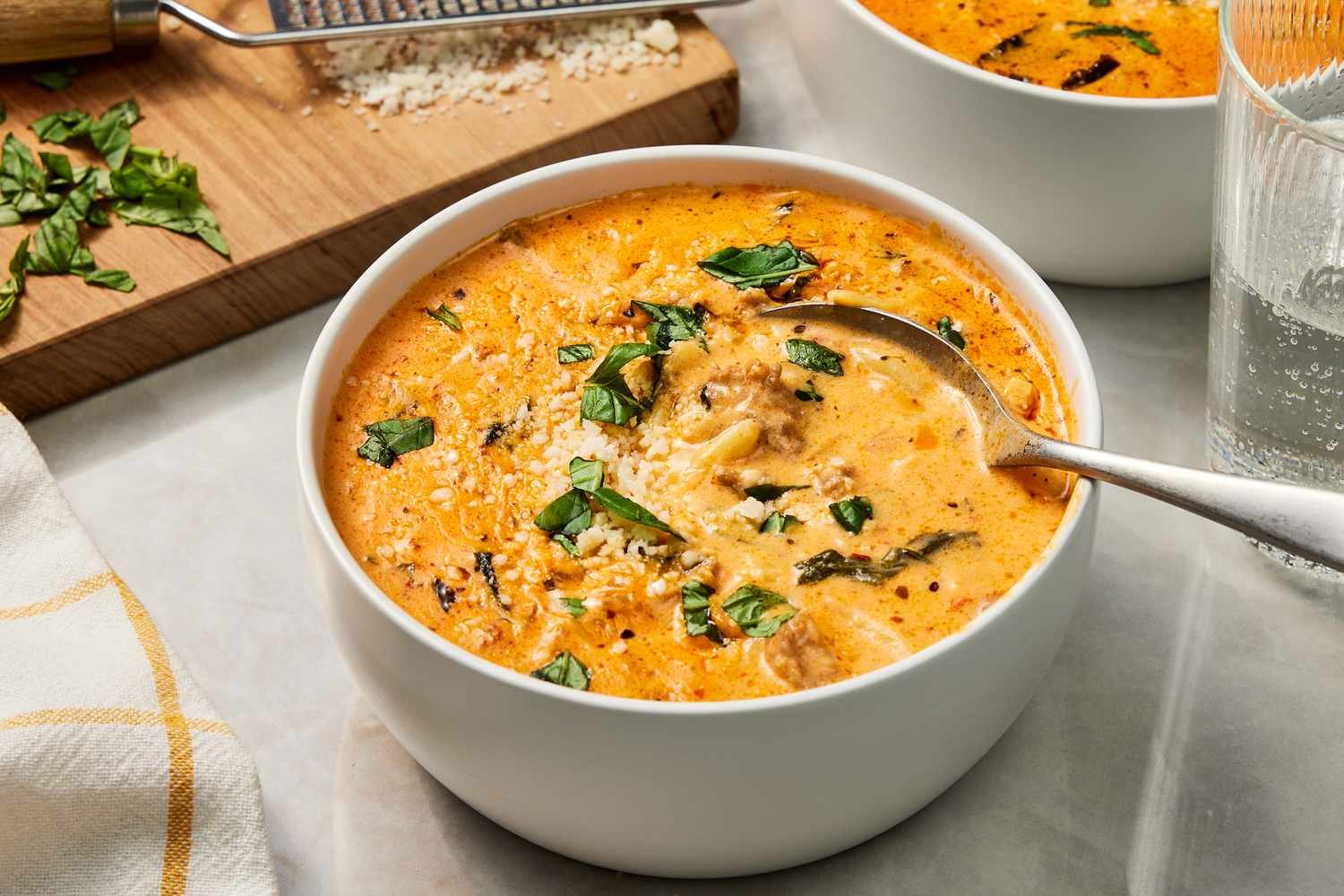
When the mountain air turns crisp and the peaks are dusted with fresh powder, there is a primal craving for food that warms the soul. This is the essence of alpine comfort: heavy cheese and hearty soups. These culinary traditions are more than just meals; they are survival mechanisms turned into art forms. From the gooey depths of a traditional fondue to the rustic simplicity of a root vegetable broth, alpine cuisine prioritizes calorie-dense, flavorful ingredients designed to sustain hikers and skiers alike. In this guide, we explore the rich textures and savory depths of high-altitude dining that bring warmth to the coldest winter nights.
1. The Heritage of High-Altitude Dining
Alpine cuisine was born from necessity, focusing on ingredients that could be preserved through long, harsh winters. This history created a legacy of smoked meats, aged cheeses, and root-heavy stews that remain the gold standard for mountain comfort today.
2. Choosing the Right Alpine Cheese
For authentic flavor, look for “mountain-style” cheeses like Gruyère, Emmental, or Comté. These are typically firm, nutty, and possess superior melting qualities, making them the essential foundation for any dish requiring a rich, gooey consistency.
3. The Science of the Perfect Fondue
A successful fondue requires an emulsifier, usually dry white wine and a splash of lemon juice. The acid helps break down the cheese proteins, ensuring a smooth, silky texture that clings perfectly to your bread cubes without separating.
4. Raclette: More Than Just a Meal
Raclette is an interactive dining experience where cheese is melted and scraped onto potatoes and charcuterie. It emphasizes social connection and slow eating, making it the ultimate way to wind down after a long day on the slopes.
5. Why Hearty Soups Matter
In the mountains, hydration and warmth are equally important. Hearty soups provide both, utilizing rich bone broths and slow-cooked vegetables to deliver deep nutrition. They serve as the perfect hydrating counterbalance to the saltiness of aged alpine cheeses.
6. French Onion Soup: An Alpine Classic
This legendary soup bridges the gap between liquid and solid comfort. By caramelizing onions for hours and topping the broth with a thick crust of toasted bread and melted Gruyère, you create a masterpiece of alpine texture.
7. The Role of Root Vegetables
Carrots, parsnips, and turnips are staples in mountain cooking because they store well and provide earthy sweetness. When simmered in a thick soup, they offer a complex flavor profile that stands up well to heavy cream or butter.
8. Barley and Rye in Mountain Broths
Grains like barley add a delightful chew and thick body to soups. These hardy grains were historically easier to grow at high altitudes than wheat, making them a traditional thickening agent for rustic, filling mountain pottages.
9. Tartiflette: The Ultimate Potato Gratin
This Savoyard dish features sliced potatoes, reblochon cheese, lardons, and onions. It represents the pinnacle of heavy cheese comfort, offering a creamy, smoky, and salty profile that is incredibly satisfying during the peak of winter.
10. Garlic as a Warming Agent
Garlic is used generously in alpine cooking, not just for flavor but for its perceived medicinal properties. A “Zuppa di Aglio” or garlic soup is a common remedy for the mountain chill, providing instant internal heat.
11. The Importance of Quality Broth
The secret to a hearty soup lies in the base. Using a long-simmered beef or vegetable stock provides a collagen-rich, velvety mouthfeel that store-bought versions simply cannot replicate, elevating a simple soup to a gourmet experience.
12. Spicing for the Cold
Alpine dishes often use warming spices like nutmeg, caraway, and black pepper. Nutmeg, in particular, is the secret ingredient in many cheese sauces, cutting through the richness and adding a subtle, aromatic complexity to the dish.
13. Pairing Wine with Cheese and Soup
A crisp, acidic white wine like a Riesling or Sauvignon Blanc is the traditional choice. The acidity cuts through the fat of the cheese and cleanses the palate between spoonfuls of rich, savory soup or stew.
14. Käsespätzle: Mountain Mac and Cheese
These tiny flour dumplings are tossed with copious amounts of shredded mountain cheese and topped with fried onions. It is a carbohydrate-heavy delight that exemplifies the “heavy cheese” lifestyle of the Austrian and German Alps.
15. Smoke and Salt: Adding Charcuterie
Smoked ham or speck is often diced into soups or served alongside melted cheese. The smokiness complements the nuttiness of the cheese and adds a layer of “umami” that makes the meal feel much more substantial.
16. The Ritual of “The Crust”
In dishes like fondue or gratin, the caramelized cheese crust at the bottom of the pot (known as la religieuse) is considered a delicacy. It provides a crunchy, intense flavor contrast to the soft textures of the main meal.
17. Wild Mushrooms in Mountain Stews
Foraging is a way of life in the Alps. Adding dried porcini or fresh chanterelles to a soup introduces a forest-like earthiness that pairs beautifully with the creamy, salty notes of alpine dairy products.
18. Modern Twists on Alpine Classics
While tradition is king, modern chefs are lightening these dishes by using whipped cheese foams or clear, herb-infused consommés. This allows for the same alpine flavor profile without the heavy “food coma” that often follows.
19. Making It at Home: The Slow Cooker
You don’t need a mountain cabin to enjoy these flavors. A slow cooker is perfect for developing the deep flavors required for hearty soups, allowing tough cuts of meat and fibrous vegetables to tenderize over several hours.
20. The Best Bread for Dipping
For cheese-heavy meals, a dense, crusty sourdough or a dark rye bread is essential. These breads have the structural integrity to hold heavy cheese and the acidity to balance the richness of the dairy.
SEO Meta Description
Discover the warmth of alpine comfort: heavy cheese and hearty soups. Learn about traditional raclette, fondue, and rustic mountain stews for the perfect winter meal.
Focus Keywords
- Alpine comfort
- Heavy cheese recipes
- Hearty mountain soups
- Traditional fondue tips
- Winter comfort food
- Alpine cuisine
- Cheese and soup pairings
FAQ Section
Q: What is the best cheese for melting in alpine dishes? A: Gruyère and Emmental are the gold standards due to their high fat content and smooth melting points.
Q: How can I make my vegetable soup more “hearty”? A: Add grains like barley, use a roasted vegetable stock, or finish the soup with a rind of Parmesan or Gruyère simmered in the liquid.
Q: Is alpine food always high in calories? A: Traditionally, yes, as it was designed for physical labor in cold climates, but you can lighten it by increasing the vegetable-to-cheese ratio.
Internal Linking Suggestions
- The Ultimate Guide to European Cheeses: A deep dive into regional varieties.
- Top 10 Winter Soups to Warm Your Soul: A collection of global soup recipes.
- Aprés-Ski Dining Etiquette: How to host the perfect mountain-themed dinner party.
Conclusion
Embracing alpine comfort: heavy cheese and hearty soups is the best way to celebrate the colder months. By focusing on high-quality ingredients like aged mountain cheeses and slow-simmered broths, you can recreate the cozy atmosphere of a Swiss chalet in your own kitchen. Whether you are hosting a lively raclette night or simmering a rustic barley stew, these timeless dishes offer a unique blend of nourishment, warmth, and tradition.