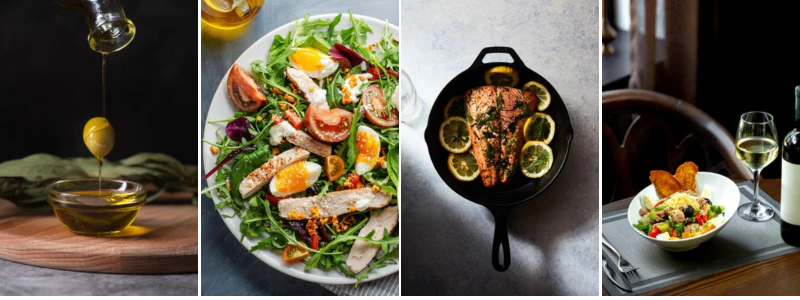
The Mediterranean diet is more than just a passing food trend; it is a scientifically-backed lifestyle that has nourished cultures for centuries. By focusing on whole, plant-based foods, healthy fats, and lean proteins, you can achieve Mediterranean Magic: 30 Minutes to a Healthier Life even on your busiest days. Many people assume healthy cooking requires hours in the kitchen, but this vibrant culinary tradition proves otherwise. In just half an hour, you can transform fresh ingredients into nutrient-dense meals that support heart health, boost energy levels, and satisfy your palate with bold, sun-soaked flavors.
1. The Core Philosophy of the Mediterranean Diet
The diet prioritizes whole foods over processed ones. It focuses on fruits, vegetables, legumes, and whole grains. By minimizing refined sugars and saturated fats, you create a sustainable eating pattern that nourishes your body without feeling restrictive or boring.
2. Efficiency in the Mediterranean Kitchen
Efficiency is key to achieving Mediterranean Magic: 30 Minutes to a Healthier Life. Using techniques like flash-searing fish or utilizing pre-cooked chickpeas allows you to assemble professional-grade meals quickly. Speed doesn’t mean sacrificing quality; it means choosing ingredients that cook fast.
3. The Power of Extra Virgin Olive Oil
Olive oil is the liquid gold of the Mediterranean. It is rich in monounsaturated fats and antioxidants. Replacing butter or vegetable oils with high-quality olive oil can lower inflammation and improve cardiovascular health while adding a rich, peppery finish to your dishes.
4. Leafy Greens: Your Daily Essential
Incorporate greens like spinach, kale, or arugula into every meal. These vegetables are packed with vitamins A, C, and K. Sautéing them with garlic and a splash of lemon takes less than five minutes but provides a massive nutritional boost.
5. Prioritizing Plant-Based Proteins
Legumes such as lentils and beans are staples that offer fiber and protein. They are incredibly shelf-stable and can be tossed into salads or stews instantly. This shift reduces your reliance on red meat, which is better for long-term longevity.
6. Seafood: The Lean Protein Choice
Fatty fish like salmon and sardines are central to this lifestyle. Rich in Omega-3 fatty acids, they support brain health and reduce the risk of stroke. Most fish fillets cook in under ten minutes, making them perfect for quick weeknight dinners.
7. Whole Grains for Sustained Energy
Swap white pasta for farro, quinoa, or whole-wheat couscous. These grains have a lower glycemic index, meaning they provide a steady release of energy. They keep you full longer and prevent the mid-afternoon energy crashes common with refined carbs.
8. Fresh Herbs Instead of Salt
Elevate your cooking with basil, parsley, oregano, and mint. Herbs add vibrant flavor profiles without the need for excess sodium. Using fresh herbs is a hallmark of Mediterranean cooking that makes simple ingredients taste like a gourmet feast.
9. The Role of Nuts and Seeds
A handful of walnuts or almonds provides healthy fats and a satisfying crunch. They are the perfect snack or salad topper. Just a small portion can help manage hunger and provide essential minerals like magnesium and zinc.
10. Seasonal Eating Habits
Mediterranean cooking follows the seasons. Eating produce at its peak ensures maximum nutrient density and flavor. Visit your local farmer’s market to find the freshest tomatoes in summer or hearty root vegetables in the autumn and winter months.
11. Minimalist Cooking Techniques
Roasting and grilling are preferred over deep-frying. These methods preserve the natural integrity of the food. Tossing vegetables in a bit of oil and roasting them at high heat brings out their natural sweetness in less than twenty minutes.
12. Healthy Snacking: The Greek Way
Forget processed chips. Reach for hummus with cucumber slices or a piece of seasonal fruit. These snacks provide fiber and hydration, keeping your metabolism active and preventing overeating during your main meals of the day.
13. Social Dining and Mental Health
The Mediterranean lifestyle isn’t just about what you eat, but how you eat. Sharing meals with friends and family reduces stress. Taking thirty minutes to sit down and enjoy your food improves digestion and fosters emotional well-being.
14. The Benefits of Moderate Dairy
Focus on fermented dairy like Greek yogurt or feta cheese. These provide probiotics for gut health and calcium for bone strength. Used as a garnish rather than a main ingredient, they add tang and creaminess to any dish.
15. Natural Sweetness over Refined Sugar
Dessert in the Mediterranean often consists of fresh figs, dates, or a drizzle of honey over yogurt. This satisfies the sweet tooth while providing antioxidants and fiber, avoiding the inflammatory spikes caused by processed white sugar.
16. Hydration with Infused Water
Hydration is vital. Instead of sugary sodas, infuse your water with lemon slices, cucumber, or mint. Staying hydrated aids in weight management and keeps your skin glowing, reflecting the “magic” of this healthy lifestyle.
17. Batch Prepping for Success
Spend thirty minutes on Sunday prepping staples like boiled eggs or roasted peppers. Having these ready in the fridge ensures you can assemble a healthy Mediterranean bowl in minutes when you come home tired from work.
18. Controlling Portion Sizes Naturally
The high fiber content of this diet naturally regulates your appetite. You don’t need to count calories when your plate is filled with high-volume, low-calorie vegetables. Listen to your body’s hunger cues to maintain a healthy weight.
19. Improving Heart Health Rapidly
Switching to Mediterranean fats can show improvements in cholesterol levels in a short time. By reducing trans fats and increasing unsaturated fats, you are actively protecting your arteries and improving blood flow throughout your entire body.
20. Boosting Cognitive Function
Studies show that the Mediterranean diet can slow cognitive decline. The combination of antioxidants from berries and healthy fats from fish creates a “brain-protective” environment, helping you stay sharp and focused as you age.
SEO Meta Description
Unlock the secrets of Mediterranean Magic: 30 Minutes to a Healthier Life. Learn how to cook quick, delicious, and nutrient-dense meals for better heart health today.
Focus Keywords
- Mediterranean diet
- Healthy 30-minute meals
- Heart-healthy recipes
- Whole food nutrition
- Plant-based eating
- Quick Mediterranean cooking
- Olive oil benefits
FAQ Section
Q: Is the Mediterranean diet expensive? A: Not at all. Staples like beans, lentils, seasonal vegetables, and whole grains are some of the most affordable items in the grocery store.
Q: Can I eat meat on this diet? A: Yes, but it is treated as a side dish or occasional treat. The focus remains on poultry and fish, with red meat consumed sparingly.
: Does this diet help with weight loss? A: Because it is high in fiber and healthy fats, it helps you feel full longer, which naturally leads to a caloric deficit without feeling deprived.
Internal Linking Suggestions
- Top 10 Mediterranean Pantry Staples for Quick Meals
- The Science Behind Olive Oil and Longevity
- 5-Minute Greek Salad Recipes for Busy Professionals
Conclusion
Embracing the Mediterranean lifestyle doesn’t require a total kitchen overhaul or hours of labor. By focusing on high-quality ingredients and simple preparation methods, you can experience Mediterranean Magic: 30 Minutes to a Healthier Life. This approach rewards you with improved vitality, better heart health, and a joyful relationship with food. Start by making one small change today, and let the natural flavors of the Mediterranean lead you toward a more vibrant future.