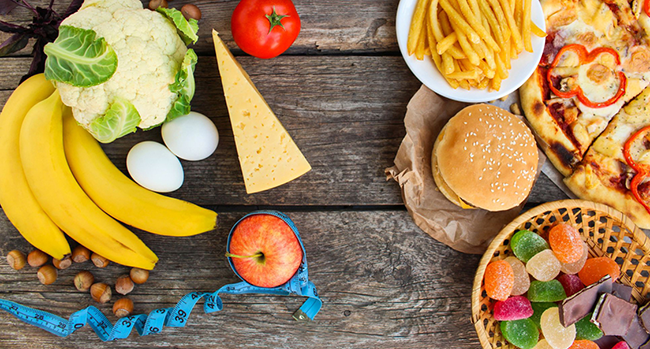
In the heart of bustling European cities, a quiet revolution is taking place at the dinner table. While the rest of the world often prioritizes speed and convenience, the Slow Food movement is gaining unprecedented momentum across the continent. Born as a protest against the industrialization of our diets, this philosophy encourages a return to regional traditions, sustainable farming, and the simple joy of a shared meal. Europeans are increasingly quitting fast food in favor of quality, flavor, and ethical sourcing. This shift isn’t just about nutrition; it’s a cultural reclamation of the “good life” that starts with what we put on our plates.
1. The Origins of Slow Food
The movement began in 1986 when Carlo Petrini protested a McDonald’s opening at the Spanish Steps in Rome. It was a stand against the “fast life” and the disappearance of local food cultures, sparking a global shift toward mindful eating.
2. Prioritizing Quality Over Speed
Europeans are rediscovering that “fast” often means processed. By choosing the Slow Food movement, consumers prioritize fresh, seasonal ingredients over the chemical additives and preservatives typically found in mass-produced fast food meals that sacrifice health for a quick bite.
3. Supporting Local Biodiversity
One core pillar is the protection of “Ark of Taste” products. These are endangered heritage foods, like specific heirloom tomatoes or rare cheeses, that would vanish if fast food’s preference for uniform, bland ingredients became the global standard.
4. The Environmental Impact
Fast food relies on massive supply chains and heavy packaging. The slow approach emphasizes “zero-mile” eating, reducing the carbon footprint by sourcing ingredients from nearby farms, which helps preserve the European landscape and promotes sustainable agricultural practices.
5. Cultivating Social Connections
In Europe, a meal is a social ritual. Unlike the solitary experience of a drive-thru, slow food encourages long, lingering dinners with friends and family. This focus on community helps combat the isolation often exacerbated by modern, fast-paced lifestyles.
6. Fair Wages for Farmers
Fast food often drives prices down at the expense of the producer. The Slow Food movement advocates for “fair” pricing, ensuring that small-scale farmers and artisanal producers receive a livable wage for their hard work and dedication to quality.
7. Health and Obesity Prevention
Europe’s shift away from fast food is partly a response to rising health concerns. By focusing on whole foods and traditional cooking methods, individuals naturally reduce their intake of trans fats, high-fructose corn syrup, and excessive sodium.
8. The Taste of Terroir
“Terroir” is the idea that food reflects the soil and climate where it grew. Europe is quitting fast food to reclaim these unique flavors, which are lost in the standardized, identical taste profiles of global fast-food franchises.
9. Educating the Next Generation
Many European schools are integrating “taste education” into their curricula. By teaching children where food comes from and how to cook, the movement ensures that future generations value nutrition and heritage over the allure of neon-lit burger joints.
10. Promoting Animal Welfare
Slow food principles demand “clean” production, which includes high standards for animal husbandry. Europeans are increasingly opting for grass-fed beef and pasture-raised poultry, rejecting the intensive factory farming methods that supply most fast-food chains.
11. Seasonal Eating Habits
Instead of expecting strawberries in December, slow food enthusiasts embrace the natural rhythm of the seasons. This results in food that is more flavorful and nutrient-dense, as it hasn’t been picked green and shipped across several oceans.
12. Rediscovering Traditional Recipes
Many Europeans are returning to their grandmother’s kitchens. By quitting fast food, they are reviving complex recipes like slow-simmered stews and handmade pasta, preserving the culinary DNA of regions like Tuscany, Provence, and Andalusia.
13. Economic Resilience for Small Towns
Small-town bakeries and butchers are the backbone of European communities. Choosing slow food keeps money within the local economy rather than funneling profits to multinational corporations, helping to maintain the unique character of European villages.
14. Mindful Consumption
The movement teaches “clean, fair, and good” eating. This mindfulness encourages people to think about the story behind their food, leading to more intentional shopping habits and a significant reduction in household food waste.
15. The Role of Farmer’s Markets
Farmer’s markets are the front lines of the Slow Food movement. These hubs allow consumers to talk directly to producers, fostering a transparency that is completely absent in the opaque supply chains of the fast-food industry.
SEO Meta Description
Discover why the Slow Food movement is leading Europe to quit fast food. Learn about sustainable eating, local traditions, and the health benefits of mindful dining.
Focus Keywords
- Slow Food movement
- Sustainable eating Europe
- Benefits of slow food
- Traditional European cuisine
- Ethical food sourcing
- Fast food alternatives
FAQ Section
What is the main goal of the Slow Food movement? The primary goal is to prevent the disappearance of local food cultures and traditions, counteract the rise of fast life, and combat people’s dwindling interest in the food they eat and where it comes from.
Is slow food more expensive than fast food? While the upfront cost can be higher, slow food emphasizes quality and satiety. By eating nutrient-dense whole foods and reducing waste, many find it more economical and better for long-term health.
How can I start practicing slow food at home? Begin by shopping at local farmer’s markets, cooking one meal from scratch each week, and taking the time to sit down and eat without distractions like phones or television.
Why is Europe leading this movement? Europe has a deep-rooted history of regional culinary identity and a strong cultural emphasis on leisure and dining, making it a natural fit for a philosophy that rejects industrial standardization.
Internal Linking Suggestions
- The Mediterranean Diet: Why it remains the gold standard for longevity and heart health.
- Farm-to-Table Guide: How to find and support local producers in your area.
- Heritage Grains: Why European bakers are ditching modern wheat for ancient varieties.
Conclusion
The Slow Food movement is more than just a culinary trend; it is a vital pushback against the homogenization of global culture. By quitting fast food, Europeans are choosing to invest in their health, their environment, and their communities. As we look toward a more sustainable future, the lessons from the European table remind us that the best things in life—especially our meals—are always worth the wait.